Towing Answering Service: What to Buy Before Outsourcing Calls
The Short Answer
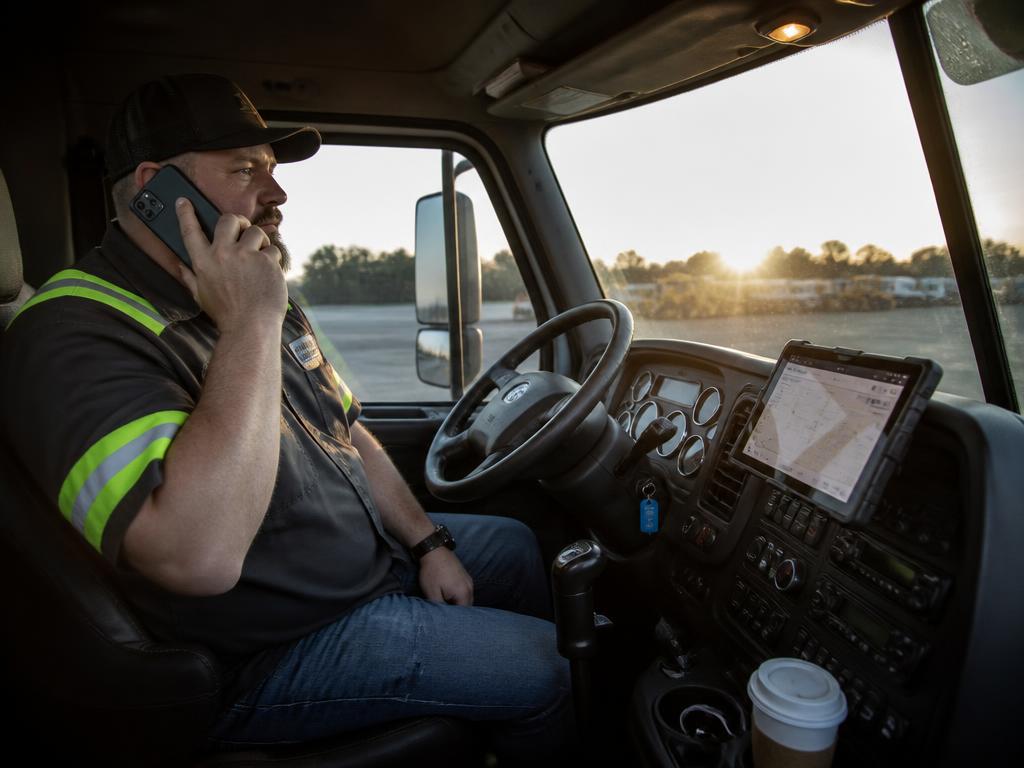
Buy an answering service when you need someone to capture and relay calls; buy outsourced dispatch when you need someone authorized to assign drivers and manage jobs. These are different scopes. Compare total fees, your approved rate script, escalation rules, integration access and a trial using realistic tow scenarios—not just a promise of 24/7 coverage.
Free: the one-truck business launch checklist
Keep the launch sequence together: business setup, insurance, truck preparation, dispatch and first call sources. The purchase checks above stay available without signing up.
Your requested resource opens here immediately. No card required.
A ringing phone is not revenue until someone qualifies the job and gets an available truck to it. But a low-cost answering plan can become expensive if agents quote the wrong price, promise an impossible ETA or dispatch work you cannot safely handle. This guide is for operators buying call coverage, not customers looking for a tow or operators choosing dispatch software.
Answering or Full Dispatch?
| Service | Ask it to do | Do not assume |
|---|---|---|
| Message taking | Capture callback, location and service request | Someone actually assigned a driver |
| Qualified call answering | Follow your intake and pricing script; relay accepted jobs | Agents understand every recovery scenario |
| Outsourced dispatch | Check availability, assign jobs, update ETAs and escalate | Every software integration or motor club workflow is included |
Request Comparable Quotes
- Give every bidder the same monthly call count, typical call length and overnight share.
- Ask whether billing uses calls, minutes, agent time, transfers or a monthly minimum.
- Request setup, integration, holiday, outbound-call and overage fees in writing.
- Clarify whether spam, repeat callers, unanswered transfers and cancellations count.
- List which systems agents can access, permission levels and who owns call records.
- Confirm coverage hours, overflow capacity, cancellation notice and data export.
Write the Intake Rules First
- Collect the caller's safe callback number, exact pickup location and destination.
- Ask vehicle type, drivetrain, condition and whether it rolls or needs specialized recovery.
- Use only your authorized prices and an ETA based on actual driver availability.
- Escalate injuries, active-roadway danger or emergencies to emergency services; agents are not rescue coordinators.
- Do not accept private-property removals, police work or unusual recovery jobs without your authorization checks.
- Record customer acceptance, assignment, driver acknowledgement and subsequent changes.
Use Contribution, Not Revenue, to Break Even
Monthly service cost divided by contribution per genuinely recovered job gives the number of additional jobs needed. Contribution is collected revenue minus fuel, driver pay, card fees and other incremental costs. Do not count calls you would already have answered or jobs you had no capacity to serve.
Illustrative math—not a vendor quote
At a hypothetical $300 monthly fee and $60 contribution per additional completed job, the service needs 5 additional jobs to cover its fee. At $30 contribution it needs 10. Add your actual overages and manager time before deciding.
Run a Trial Before a Long Contract
| Trial call | Passing result |
|---|---|
| AWD vehicle with no compatible truck available | Escalates rather than promising a tow |
| Customer asks for a cheaper price | Uses approved rates; no unauthorized discount |
| Driver does not acknowledge assignment | Follows a timed escalation plan |
| Caller changes destination | Updates the record and confirms revised terms |
| Cancellation after dispatch | Notifies the driver and records any authorized fee |
Review completed-job conversion, missed transfers, quoting errors and complaints alongside call pickup speed. Start with overflow or nights if that is the actual gap. Expand only when the evidence shows profitable jobs without increasing operational mistakes.
Prepare the Business Before Buying Coverage
An outside agent cannot fix an unprofitable rate sheet or a truck with no dependable call sources. Set your prices, service area, work restrictions and driver handoff first. The course's pricing, motor club and operations material helps establish that foundation; it does not include an answering subscription.
Service scope reference
- AnswerNet: towing answering and dispatch servicesA provider's description of service scope, not an endorsement or independent performance assessment. Confirm your own written agreement.
Frequently Asked Questions
Is a towing answering service the same as dispatch software?
No. Answering and dispatch services supply people or managed call handling. Software supplies job records and workflows. Ask whether the service works inside your existing system and whether access costs extra.
Should a one-truck operator outsource every call?
Not automatically. Start with the hours when you miss profitable work, then measure completed jobs and contribution against the full service cost.
Can agents quote prices and promise ETAs?
Only within written authority you provide. Use an approved rate script and current driver availability, with escalation for unusual work.
Related Guides
- Build the rate sheet agents should use
- Choosing software rather than a service
- Build dependable call sources
- See the complete course
Set up profitable calls before outsourcing them
Use the course's rate tools, motor club guidance and operating workflows to make each accepted job count. Get the complete online course: 28 lessons, 9 modules, saved progress and 13 bonuses. $39 one-time, lifetime access and a 30-day refund guarantee.
Instant download after payment · Lifetime access · Secure checkout by Stripe
Free: the one-truck business launch checklist
Keep the launch sequence together: business setup, insurance, truck preparation, dispatch and first call sources. The purchase checks above stay available without signing up.
Your requested resource opens here immediately. No card required.
Tow Truck Pro Academy
Tow Truck Pro Academy publishes state-specific training and reference material for independent light- and medium-duty tow operators — licensing, insurance, motor club onboarding, PPI contracts, and rate math.