How to Become a AAA Contractor (Tow Operator Requirements, 2026)
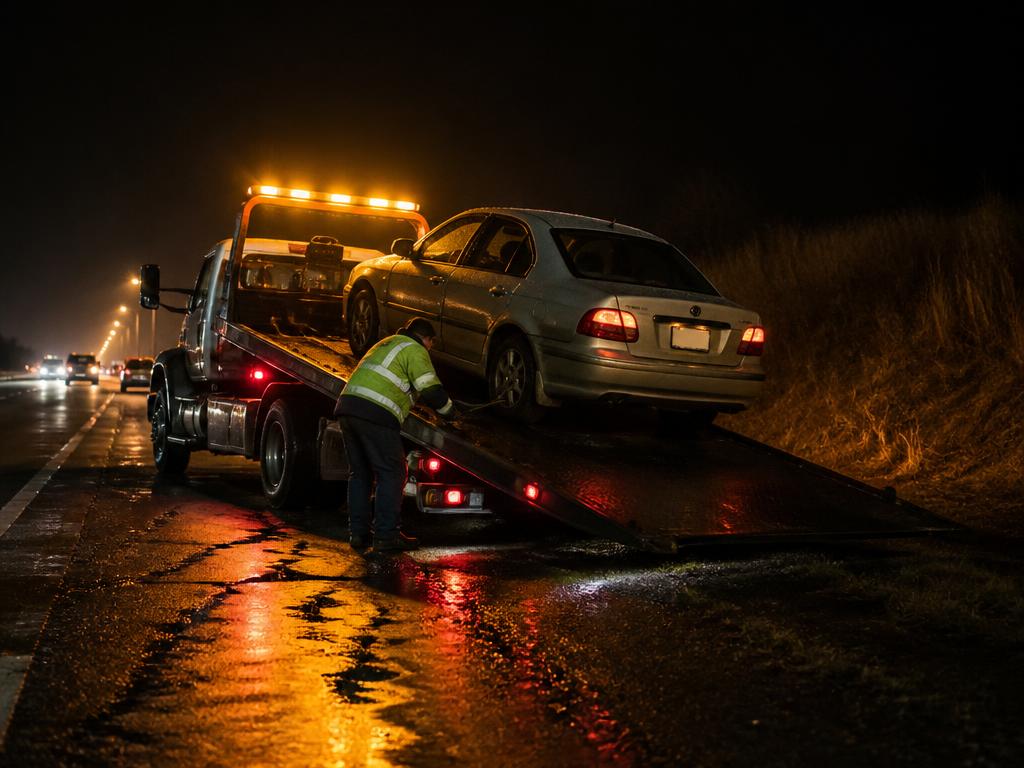
The Short Answer
AAA contracts through regional clubs, not a national portal. You need an active business entity, $1M commercial auto liability, on-hook coverage (usually $75k+), garage keepers, clean MVRs and background checks on every driver, professionally lettered trucks, and the ability to hold a 30–45 minute ETA in your assigned zone. Territories are capacity-based: clubs add contractors only when the current ones can't cover demand.
Free: the launch checklist with motor club preparation
Keep business setup, insurance, truck and motor club preparation in one saved checklist. Contract-specific guidance stays in this article; this is not a separate contract download.
Your requested resource opens here immediately. No card required.
AAA is the account most new operators want and the one most misunderstand. There is no "apply online and start tomorrow" path — you're bidding for territory capacity against incumbents who already hold it.
Contact the AAA club that administers your region (not AAA national), request the contractor application, and submit your business documents, insurance certificates, fleet list, and driver background information. Approval depends on whether the club needs coverage in your specific zone.
Hard Requirements
| Requirement | Typical minimum |
|---|---|
| Commercial auto liability | $1,000,000 CSL |
| On-hook / cargo | $75,000–$100,000 |
| Garage keepers | $100,000+ |
| Workers' comp | Statutory, required with employees |
| Business entity + EIN | LLC or corporation, in good standing |
| Driver screening | MVR, criminal background, drug testing program |
| Fleet appearance | Professionally lettered, no rust, working light bars |
| Response capability | 24/7 dispatch, 30–45 minute ETA compliance |
| Technology | GPS-enabled digital dispatch acceptance |
What They Actually Score You On
- ETA compliance — the single biggest driver of call volume
- Accepted-call ratio — declining calls moves you down the assignment list
- Member satisfaction survey scores after each service
- Damage claim frequency
- Digital status updates (en route, on scene, complete) logged on time
The Money Reality
Ready to Get Paid Calls? Start Here
AAA and other clubs pay $45–$85 hook plus $3.50–$6.00 per loaded mile, with GOA fees of $20–$35. That is below cash-tow retail of $95–$275 — the trade is volume and predictability. Successful operators use club work to fill dead hours and keep the truck moving, while building cash, PPI, and dealer accounts that carry the margin.
Don't Build the Business on One Club
Clubs reassign territory, renegotiate rates, and deactivate contractors on scorecard slips. Onboard with two or three (AAA plus Agero, Urgent.ly, or Honk) and keep club work under about 50% of revenue.
If the Club Says They're Full
- Ask specifically which ZIP codes or corridors have ETA problems and offer to cover only those
- Offer a service type the incumbents lack — motorcycle, EV-safe flatbed, heavy-duty, or winch-out
- Onboard with Agero, Urgent.ly, or Honk first and build a documented performance record
- Re-apply every quarter; capacity opens when an incumbent gets deactivated
Frequently Asked Questions
How much does it cost to become a AAA contractor?
There's no application fee, but meeting the requirements costs money: insurance runs $7,500–$14,000/yr for one truck, plus lettering, GPS, and driver screening.
Does AAA require a CDL?
Not for light-duty towing in most states. CDL requirements are driven by the truck's GVWR/GCWR, not by AAA.
How long does AAA contractor approval take?
Two to eight weeks when the club has an open territory need. Indefinite if they don't — capacity, not paperwork, is usually the bottleneck.
Is AAA work profitable for a new operator?
It's profitable as fill work, not as your only work. Club rates are below retail, so the operators who win on it have low overhead and use it to keep an otherwise idle truck earning.
Can I contract with AAA and other clubs at the same time?
Yes. Non-exclusive contracts are the norm and running two or three clubs is the standard way to keep the truck busy.
Related Guides
See every motor clubs guideGet the full playbook — not just this page
This guide covers AAA and motor club onboarding. The course covers the whole build: LLC → USDOT → insurance stack → motor club and contract onboarding → your first booked calls, plus scripts and rate sheets. $39, lifetime access, 13 bonuses.
Instant download after payment · Lifetime access · Secure checkout by Stripe
Free: the launch checklist with motor club preparation
Keep business setup, insurance, truck and motor club preparation in one saved checklist. Contract-specific guidance stays in this article; this is not a separate contract download.
Your requested resource opens here immediately. No card required.
Tow Truck Pro Academy
Tow Truck Pro Academy publishes state-specific training and reference material for independent light- and medium-duty tow operators — licensing, insurance, motor club onboarding, PPI contracts, and rate math.