How to Get on Police Rotation (Step-by-Step)
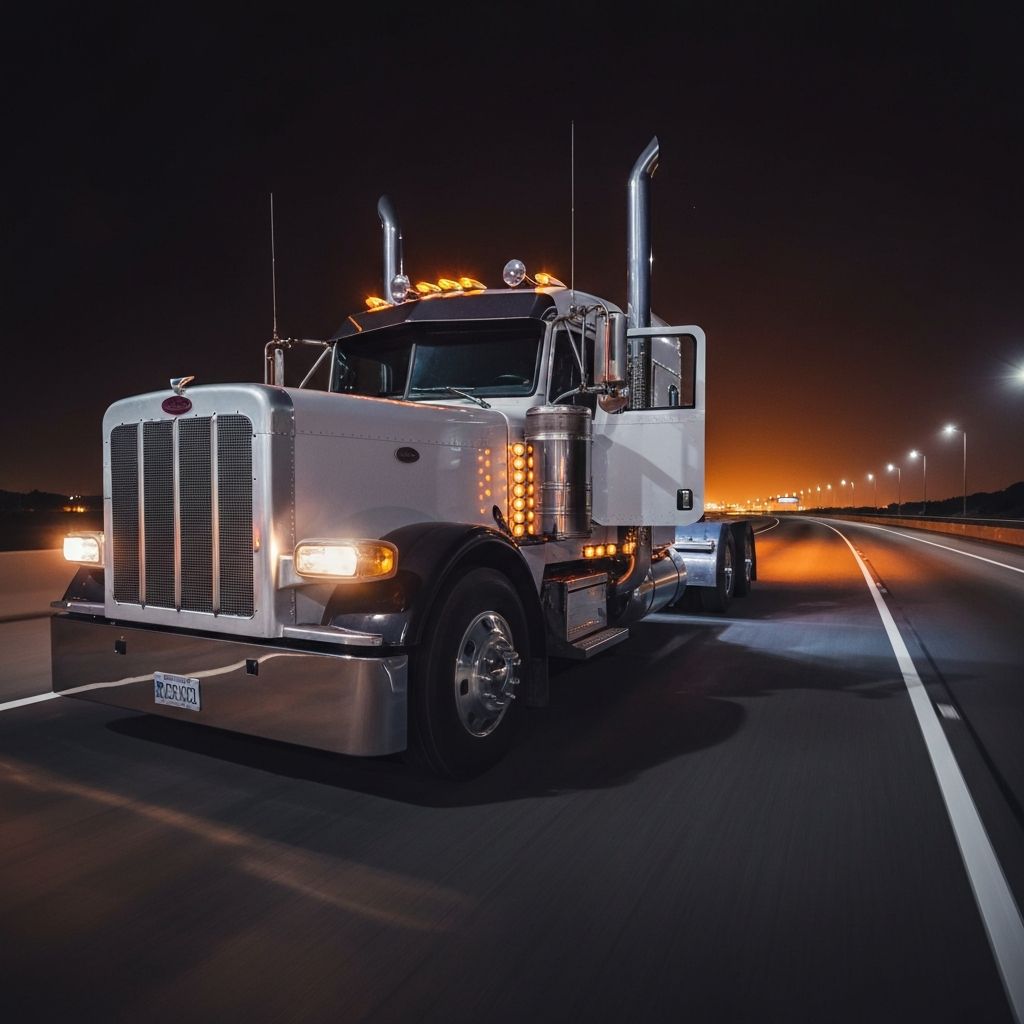
The Short Answer
Apply to your local police / sheriff / state patrol contract, pass a truck and lot inspection, provide $1M CSL insurance plus on-hook and garage keepers, and be ready to respond 24/7 within the posted ETA (usually 20–30 minutes).
Free: the police rotation application checklist
Every document departments ask for, the lot and response-time standards they inspect, and the follow-up timeline that gets you added.
No spam. Unsubscribe any time.
Police rotation is the most stable revenue stream in the tow business — and the hardest to get onto.
The Application Package
- USDOT number (intrastate or interstate)
- Auto liability $1M CSL, on-hook $75k–$150k, garage keepers $100k+ (annual premium $7,500–$14,000)
- Fenced, lit, secured storage lot with the minimum square footage the contract requires
- 24/7 dispatch phone with live human answer
- Driver background checks and drug testing program
- Truck age limits — usually 10 years or newer for light-duty
The Politics
- Most rotations are closed lists. New spots open only when an existing company is dropped or a jurisdiction adds coverage.
- Attend city council and sheriff advisory meetings — show up before you need something.
- One complaint about a rude driver can drop you off the list permanently. Screen and train hard.
The Payoff
Rotation calls average $185–$450 with mandatory storage fees. A single busy weekend can produce 15+ storage-yard cars generating $50–$75/day each.
Frequently Asked Questions
How long does it take?
6–18 months from application to first call in most US jurisdictions.
Can I be on multiple rotations?
Yes, if the jurisdictions allow it — most do. Overlapping city and county rotations is common.
Is a CDL required?
Not typically for light-duty rotation, but a Class B is required for anything over 26,001 lbs GVWR.
Rotation work alone won't fill the truck
Departments cap rotation volume and pay on their schedule. The course shows how operators stack rotation with motor clubs and private property impound contracts so the truck runs all week — plus the PPI contract and outreach scripts to sign your first property. $39 one-time, lifetime access, 13 done-for-you bonuses.
Instant download after payment · Lifetime access · Secure checkout by Stripe
Free: the police rotation application checklist
Every document departments ask for, the lot and response-time standards they inspect, and the follow-up timeline that gets you added.
No spam. Unsubscribe any time.
Tow Truck Pro Academy
Tow Truck Pro Academy publishes state-specific training and reference material for independent light- and medium-duty tow operators — licensing, insurance, motor club onboarding, PPI contracts, and rate math.